Sunday, 27 March 2016

Grooming & Etiquette

Social Etiquette 


Etiquette is defined as "the law that governs manners or behaviour attitudes, which need retailing from time to time as social values keep changing.

Good manners are based on courtesy and consideration for the comfort and well being of others. One's behaviour and manners socially should consistently correspond with one's well groomed image. All the looks in the world will not compesate for inconsiderate or rude behaviour.


Etiquette also involves:
  • Knowing people's customs and traditions and respecting them
  • Practicing appropriate table manners 
  • Observing certain behavior when amongst people


Greetings & Introduction


The old saying goes, "you get one chance to make a good impression" - that's why it's so important that when you first meet people you know how to behave when it comes to polite introduction.

As with many things today's more casual world, introduction are all too frequently ignored, mumbled over or stumbled through. There are simple rules to use as a guideline, but listening is as important as part of introductions as making them. When someone is being introduced to you, concentrate, if you don't catch the name, it's both acceptable and sensible to ask for it to be repeated. It is important to get the person's name right. You'll find it easier to remember a person's name if you use it once or twice in a concersation.


Pharases to use when introduction others.


Depending on the formality of the occasion, phrases can be chosen from those below on order of formality.
  • I have the honour to present....
  • May I introduce....
  • I'd like you to meet....
  • I don't believe you've met....
  • This is....
  • Do you know....
Pharases to use when being introduced or when introducing yourself.

  • How do you do?
  • Hello
  • It is nice to meet you
  • Glad to meet you
Your replies :
  • How do yo do
  • Nice to meet you
What makes a good introduction?
The rationale behind a good introduction is:
  • To give each person the name of other and a "tag" of information or a conversational lea, that helps to initiate a conversation between people.
  • To make sure that the person being introduced know whom they are meeting.
  • To put people at ease and to create an air of immediate friendliness and warmth so that the conversation can flourish.
Who should be introduced to whom?
In today's business world, rank rather than gender is a deciding factor, in who is introduced first to whom, in situasions where you can't easily discern someone's social standing then below are some of the rules to apply.

  • The younger person is introduced to the older person.
    E.g
    : "Mr. Aqil, I would like you to meet one of my students, nana."
    Conversational lead: "Nana has done wel in her SPM and has been accepted to do medicine next year in Moscow."
  • The lowest ranking or most junior is introduced to the higher ranking or more senior person.E.g: "Puan Amira, I don't believe you have met my nephew, Alep."Conversational lead: "Alep is saying with us for a month"


Nurul Farahin Binti Rosli
PTM160118834                

Thursday, 17 March 2016

Grooming & Etiquette (Ladies dressing tips)

DRESSING TIPS (LADIES)


Jackets

  • Avoid ill-fitted jackets
  • Shoulder should look natural, never severe


Blouses
  • Wear simple blouses under your suits
  • Elaborate designs are best worn on its own
  • Never buy or wear a blouse that is straining across the bust. A loose fit in your blouses is slimming and elegant.


Trousers
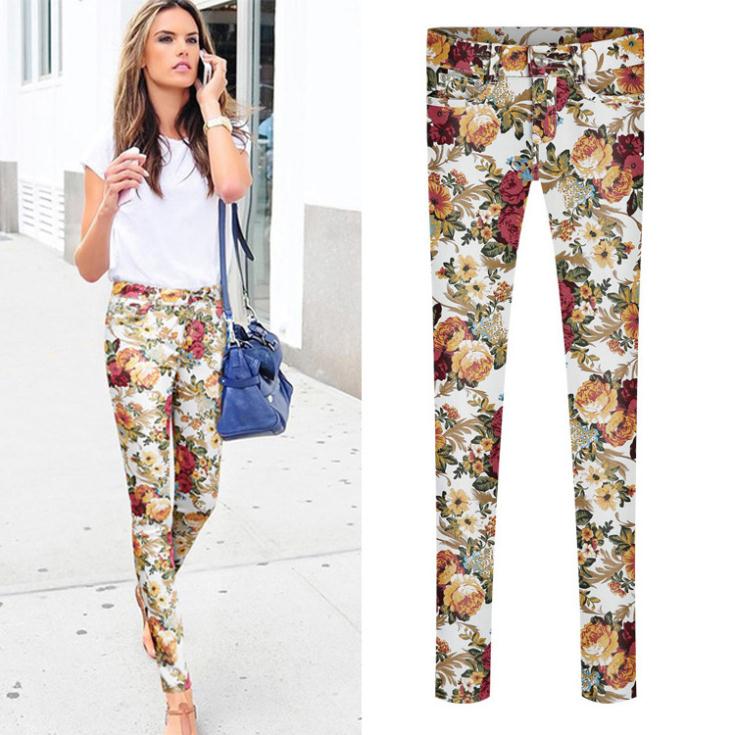
  • Whether or not a woman wears trousers is a question of company style. If they are acceptable, then they obviously should be elegant, well cut and suit the wearer. 


Skirt
  • Classic, not extreme skirt length. If your legs are an asset, you can show up to 1 inch (2.5 cm) above the knees. Otherwise, end your skirt at or just below the knee where the legs naturally indent.


\
ACCESSORIES


Earings
  • Should be worn for every business occasion, not just social ones. The shape should be complimentary to your face.

Necklaces

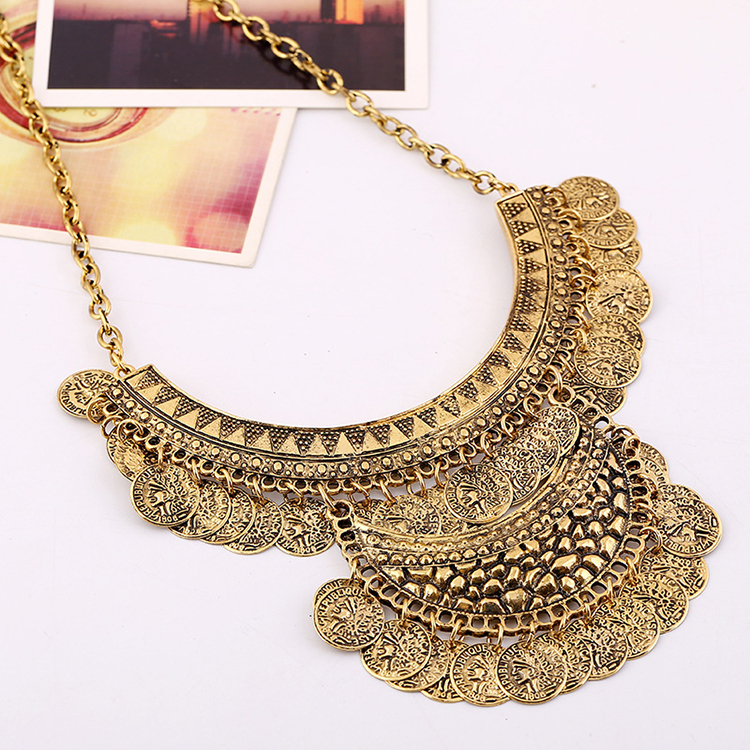
  • Women with average to long necks look good in chunky chokers. If you have short neck, opt for long chains or pearls, which will make your neck, look longer.


Scarves
  • Best worn with collarless jackets or jackets with no lapels.


Watches
  • Women who do not wear watches project to others that they do not know what time management means. Choose simple, elegant, reliable watches which are in proportion to the size of your wrists.


Handbags
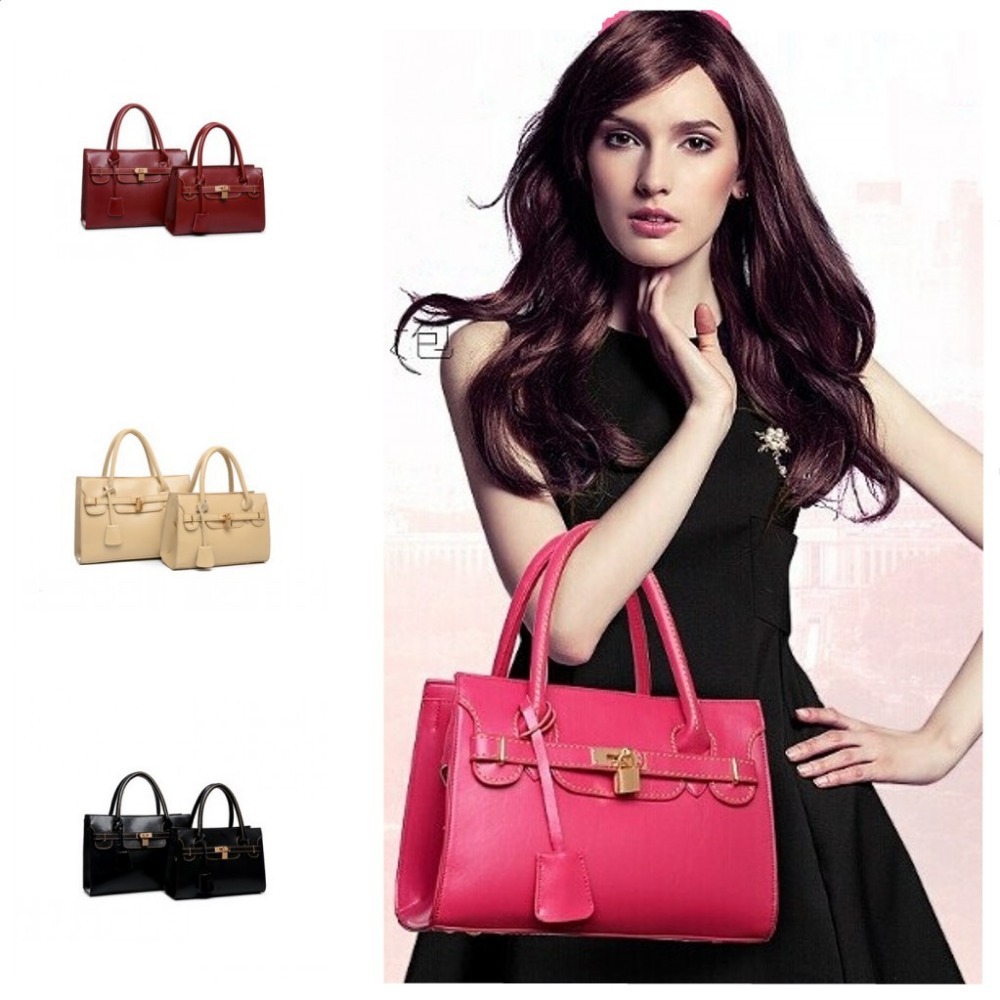
  • Choose a size that is proportionate to you.
  • Petite women should avoid large styles, while grand
  • Scale women require a bigger bag.
  • Neutral colour that will coordinare with your suits.
  • Elegant but functional in design.


Belts
  • Determine the width that is comfortable on you to flatter your body type.
  • It is not always necessary to match the colour of your shoes. Red can coordinate with black shoes.


Hosiery
  • Neutral tones to blend with your hemline.
  • Pattered hosiery has no place in business.
  • For large legs, opt for darker tones.
  • For slim legs, lighter colours create more 'weight' and 'shape'.


Shoes
  • Buying quality shoes are better value for money.
  • A medium heel for business. Avoid stilettos or heels.
  • That prevents you from walking normally.
  • Colourful details on shoes are distracting - save them for evenings.
  • Keep the details on your business shoes to a minimum.


Nurtahirah Alawih & Amira Rasyidah Binti Mohd Radzi
          PTM160118934 / PTM160118935                          

Sunday, 13 March 2016

Grooming & Etiquette (Importance of wearing garments that fit)


IMPORTANCE OF WEARING GARMENTS THAT FIT


The way that clothes fit a body is very important. Fit is vital to projecting a professional image.
If something does not fit correctly, it draws attention to the area.

Business suits


  • Beware of wrinkles 
If you see wrinkles at the back of your shoulders -  it means the jacket is too big. If an X shaped lines radiates from the button, it means the jacket is too tight.

  • Shoulder and sleeves
Shoulders should be a minimum of 2.5 cm wider than the shoulder bone. The sleeves should end at the wrist bone when the elbow is bent at 90 degrees.

  • How long should the jacket be?
It should always cover the buttocks

  • Vent or no Vent?
Vent will have a lot of creases after sitting down
Double vents are very comfortable but not flattering to those with heavy buttocks.
Single vent in the centre is comfortable but looks more boxy.

  • Turn-Ups
Classic suit trousers are always cuffed with 1.5 cm or 2 cm turn ups.
Turn ups tend to shorten the legs and therefore more suitable for taller men.
Tuxedo trousers however are never cuffed.

  • The arm hole
Raise your arms over your head with your jacket fastened. If you can do that easily then the arms-eye fits properly.


POINTERS FOR SUITS


  • First pair -  choose either grey or dark blue in colour.
  1. Navy blue - looks success and slim and businesslike
  2. Grey is serious without being stern
  3. Project authority, yet make the person look friendly and approachable
  • Brown suits are considered unprofessional
  • Fabric for suits - DO NOT use polyster. It is bad for image. Wool is cool and wrinkle-free. Highly recommended for use in tropical climates.
  • Men who travel often on business and attend regular formal functions.
  1. should have at least 2 pairs.
  2. It will allow one suit to breathe ( at least 24 hours )


Nurtahirah Binti Alawih
PTM160118934


Thursday, 10 March 2016

Grooming & Etiquette (Dressing tips "MEN")

DRESSING TIPS (MEN)


Shoes

  • Should be black or brown of minor variation.
  • Avoid beige or white shoes.
  • Scuffed or unpolished shoes spoil your image.
  • Shoes colour for formal wear should not be lighter than pants.


Socks

  • Men's socks cover more than just the ankle.
  • Bare flesh showing beneath trouser bottom is unattractive.
  • Choose plain or with a muted pattern.
  • Avoid white socks except for sports wear.
  • Match your shoes to your pants or your shoes.


Suits

  • Single-breasted suits come with 1, 2 or 3 buttons.
  • Suits with 2 buttons, the 2nd button is left undone.
  • Double-breasted suit is more formal.


Cuffs

  • 1/4" - 1/2" shirt cuffs should extend below jacket sleeve.


Pocket

  • Do not everload
  • Pocket hanky - choose the dominant colour of the colourful tie.


Glasses

  • Frames should not match face shapes. E.g; Round frames on round face are unsuitable.


Belts

  • Match belt with the colour of your shoes.
  • Fabric belts are to be worn with casual only.
  • Choose leather for formal wear.
  • Wear brown belt to match or tan pants and black belt with black, blue or grey pants.


Ties

  • Nectie is an accesory that spices your attire.
  • Avoid extremes in width and length.
  • Choose medium width, silk ties for business wear.
  • Ideally, the bottom tip of the ties should just touch the top of your belt.


POCKETS

Too many men load their pockets so full that their suit looks terrible. Here are some advices on what to carry where:

Inside Breast Pocket

  • A slim diary
  • Envelope style wallet with credit cards and notes
  • A slim note pad and/or calculator
  • A pen set


Outside Breast Pocket

  • A silk pocket-handkerchief only


Outside Front Pockets

  • Business card holder
  • Nothing else aside from the odd notes


Side Trouser Pockets

  • Loose change
  • A few essential keys


Back Trouser Pockets

  • A slim wallet (in lieu of carrying it in the breast pocket) but only if you are blessed with a flat bottom. 

Nurul Diyana Salleh & Nurul Farahin Binti Rosli
        PTM160118873 /  PTM160118834